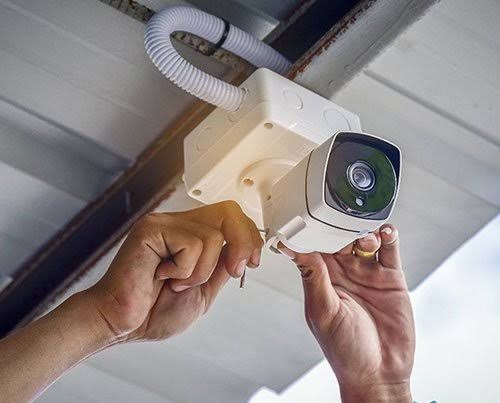
Security has changed considerably over the past few years. Businesses once depended mainly on guards, locks, and basic surveillance cameras to protect their premises. Today, organizations need a more complete approach that combines reliable equipment, thoughtful planning, remote monitoring, and proper maintenance.
For a business owner, choosing a surveillance provider can therefore be more important than simply choosing a camera model. The quality of the installation, system design, configuration, and after-sales support can all affect how well the security solution performs.
This is why many organizations compare cctv companies in abu dhabi before investing in a new surveillance system. The goal isn't simply to install cameras. It is to build a security setup that provides useful coverage and continues working reliably when it matters.
A business can have valuable equipment, inventory, documents, and technology inside its premises. Without adequate visibility, it can be difficult to know what is happening across different areas of a property.
CCTV provides a continuous visual record of activity. Cameras can monitor entrances, reception areas, parking spaces, storage rooms, corridors, loading zones, and other locations where additional visibility may be required.
This can help deter unwanted activity and provide useful footage if an incident needs to be investigated.
For managers, surveillance can also provide reassurance that important areas of the business are being monitored even when they are not physically present.
It is easy to focus on camera specifications when comparing surveillance solutions. Resolution, night vision, storage capacity, and smart features certainly matter, but they don't tell the whole story.
A camera that is poorly positioned may still leave a critical blind spot. A system with inadequate storage may not retain footage for the required period. Network problems can interrupt remote viewing, while poor installation can affect reliability.
A professional CCTV project therefore starts with planning.
The property should be assessed to determine where cameras are actually needed, what type of coverage each area requires, and how the equipment will communicate with the recording and monitoring infrastructure.
Not all security providers offer the same level of service.
Businesses should consider whether a provider has experience with similar properties, understands different surveillance technologies, and can handle installation as well as configuration and maintenance.
Communication is also important. A good provider should be able to explain the recommended solution clearly instead of simply presenting a list of equipment.
The right question isn't necessarily, "Which camera is the best?" It is, "Which surveillance setup makes the most sense for this property?"
A surveillance system needs to perform consistently.
Incorrect camera angles, exposed cabling, unsuitable mounting locations, network configuration problems, and insufficient power can all affect performance.
Professional installation addresses these details before they become larger issues.
Experienced technicians can determine suitable camera positions, configure recording equipment, test network connectivity, and make sure footage can be accessed as intended.
This attention to detail can make the difference between a system that simply exists and one that genuinely supports business security.
Today's surveillance systems can provide features that were difficult to imagine with older camera technology.
Depending on the system, businesses can benefit from high-definition video, night vision, motion detection, remote access, intelligent analytics, and centralized monitoring.
Some solutions can also integrate with access control and other security technologies.
This creates a more connected security environment. For example, an access event can be reviewed alongside relevant camera footage, helping security teams understand what happened at a particular time and location.
Business owners cannot always be at their premises.
Whether they are managing another branch, attending a meeting, or traveling, remote monitoring can provide useful visibility into the property.
Authorized users can check cameras through suitable devices and review footage when necessary. This can be particularly useful for businesses with multiple locations.
However, remote access should be configured carefully, with appropriate security controls and user permissions in place.
Convenience should never come at the expense of cybersecurity.
Installing CCTV is not the end of the process.
Cameras operate in real-world environments where dust, weather, network problems, storage limitations, and hardware faults can affect performance over time.
Regular maintenance can help identify these issues before they result in missing footage or system downtime.
Businesses should therefore consider ongoing technical support when comparing cctv companies in abu dhabi rather than focusing exclusively on the initial installation price.
A reliable maintenance arrangement can help keep cameras, recording devices, storage, and network connections functioning properly.
A retail shop does not have the same requirements as a warehouse. An office building may prioritize entrances and restricted rooms, while an industrial facility may need extensive coverage across internal and external areas.
This is why copying another company's CCTV setup is rarely the best approach.
A proper security assessment considers the building layout, business activities, valuable assets, lighting conditions, access points, and areas that require additional protection.
The resulting system should provide meaningful coverage without installing unnecessary equipment.
Businesses change over time.
A company may add another floor, open a new branch, expand its warehouse, or introduce additional security technologies.
A scalable CCTV infrastructure makes these changes easier to manage. Network architecture, recording capacity, and system design should ideally allow for future expansion without requiring a complete replacement.
Thinking about future requirements during the initial installation can save both time and money later.
Choosing a CCTV provider is an important business decision because surveillance performance depends on much more than the camera itself.
From site assessment and system design to installation, configuration, remote monitoring, and maintenance, every part of the process contributes to the final result.

This post has been authored and published by one of our premium contributors, who are experts in their fields. They bring high-quality, well-researched content that adds significant value to our platform.










London News delivers the latest breaking news, global updates, and trending stories. Stay informed with fast, reliable, and accurate journalism from around the world.