In hot climates, temperature can make or break an outdoor event. Guests who feel comfortable stay longer, spend more and leave with positive memories. Guests who are hot and uncomfortable leave early, complain on social media and may not return next year. In extreme conditions, heat is more than a comfort issue. It becomes a genuine health and safety risk.
In regions such as the Middle East, South Asia, Australia and the southern United States, daytime temperatures regularly climb above 40°C for several months of the year. Even during the cooler season, afternoon sun, high humidity and crowded spaces can push conditions well beyond what feels comfortable.
Keeping guests cool is not a single decision. It is a combination of smart scheduling, thoughtful site design, the right equipment and well-prepared staff. This guide explains the most effective strategies event organisers can use to protect guest comfort and safety when the temperature rises.
The simplest way to beat the heat is to avoid the worst of it. Wherever possible, schedule outdoor events during the cooler months of the year. In many hot regions, the most comfortable period runs from late autumn to early spring.
Time of day matters just as much. Early morning and evening events are significantly cooler than those held in the middle of the day. If your event must run through the afternoon, plan the programme so that high-energy activities, such as main performances or sports, take place after sunset. Use the hottest hours for indoor or shaded activities, registration or rest periods.
Always check the long-range forecast when confirming dates, and keep monitoring it as the event approaches. A sudden heatwave may require you to adjust timings or add extra cooling at short notice.
The layout of your site has a major effect on how hot it feels. Direct sunlight can make the perceived temperature several degrees higher than the air temperature, so shade should be treated as essential infrastructure, not decoration.
Use tents, marquees, shade sails, umbrellas and natural shade from trees or buildings. Place seating, queues and food areas under cover wherever possible. Queues are often overlooked, yet guests may stand in them for twenty minutes or more in full sun.
Airflow is equally important. Avoid closing tents on all sides unless they are fully air conditioned, because enclosed fabric structures trap heat quickly. Orient open structures to take advantage of prevailing breezes, and leave space between tents so that air can circulate.
The ground also matters. Asphalt, concrete and sand absorb heat during the day and radiate it back into the air. Where possible, choose grassy areas or add flooring and matting that reflect less heat.
For events in genuinely hot conditions, shade and airflow alone are rarely enough. Mechanical cooling allows you to create comfortable zones even when outdoor temperatures are extreme. The main options include:
Portable air conditioning units. These are ideal for enclosed tents, VIP lounges, green rooms, production offices and first aid stations. Packaged and ducted units can deliver cooled air into large marquees through flexible ducts, keeping the equipment itself outside the structure and away from guests.
Evaporative coolers. These units cool air by passing it over water-soaked pads. They are energy efficient and work well in dry heat, but lose effectiveness in high humidity. They are best suited to semi-open spaces.
Misting fans. Fans that release a fine water mist can lower the perceived temperature in outdoor seating areas, queues and walkways. As with evaporative coolers, they perform best in low humidity.
Industrial fans. Large fans improve air movement across open areas and help distribute cooled air inside tents.
Sizing is critical. The cooling capacity required depends on the size of the space, the number of guests, the amount of heat generated by lighting and equipment, and how well the structure is insulated. An undersized system will run constantly without ever bringing the temperature down. For this reason, many organisers work with a specialist AC rental service that can calculate the cooling load, recommend suitable units and handle installation.
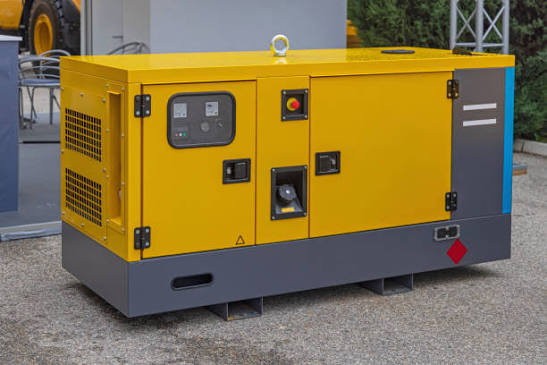
Remember that cooling equipment needs a reliable power supply. Air conditioning units draw a large starting current, and several units switching on together can overload an undersized generator. Plan cooling and power together, not separately.
Dehydration is one of the most common causes of heat-related illness at events. Make water easy to find and, wherever possible, free.
Provide clearly signed water refill stations throughout the site, especially near stages, queues and exits. Allow guests to bring empty refillable bottles. Encourage food vendors to offer water, electrolyte drinks and fresh fruit, and consider limiting the sale of alcohol during the hottest hours, since alcohol increases dehydration.
For long events or large crowds, staff can walk through busy areas offering water, particularly to guests standing near stages or in long queues.
Even with good planning, some guests will struggle in the heat. Older adults, young children, pregnant women and people with certain health conditions are especially vulnerable.
Create dedicated cool zones where guests can rest out of the sun. These should be shaded or air conditioned, with seating, water and good airflow. Mark them clearly on site maps and signage so guests know where to go before they feel unwell.
Position the first aid station close to a cool zone, and make sure it is equipped to treat heat exhaustion and heat stroke, including cooling equipment, ice packs and plenty of fluids.
Your team plays a central role in managing heat. Brief all staff, volunteers and security personnel on the early signs of heat exhaustion, which include heavy sweating, dizziness, headache, nausea and pale, clammy skin. They should know how to respond and where to direct guests who need help.
Staff also need protection. Schedule regular breaks in cool areas, provide water and uniforms made from light, breathable fabrics, and rotate people working in exposed positions.
Communicate with guests before and during the event. Pre-event emails and social media posts can advise people to wear light clothing, hats and sunscreen, and to bring refillable water bottles. On the day, use screens, announcements and signage to remind guests to drink water and seek shade.
Conditions can change quickly. Assign a team member to monitor temperature, humidity and the heat index throughout the day. Set clear thresholds that trigger specific actions, such as adding water points, delaying performances or opening additional cool zones.
Keep an eye on cooling equipment as well. Check that air conditioning units are running correctly, that tents are holding their temperature and that fuel and power supplies are sufficient. Having a technician on site or on call means small problems can be fixed before guests notice them.
Keeping guests cool in hot climates requires planning at every level, from the date on the calendar to the position of each water station. The most successful events combine several strategies rather than relying on one. They schedule around the heat, design the site for shade and airflow, use properly sized cooling equipment backed by reliable power, and make hydration simple and free.
Just as importantly, they prepare their people. Trained staff who recognise the signs of heat stress, clear communication with guests and continuous monitoring on the day can prevent minor discomfort from turning into a medical emergency.
When heat is managed well, guests barely notice it. They simply enjoy the event, stay longer and leave with the kind of experience that brings them back next time. In hot climates, that level of comfort is one of the clearest signs of a professionally organised event.

This post has been authored and published by one of our premium contributors, who are experts in their fields. They bring high-quality, well-researched content that adds significant value to our platform.








London News delivers the latest breaking news, global updates, and trending stories. Stay informed with fast, reliable, and accurate journalism from around the world.
